Access points: WiFi 6, 6E or 7
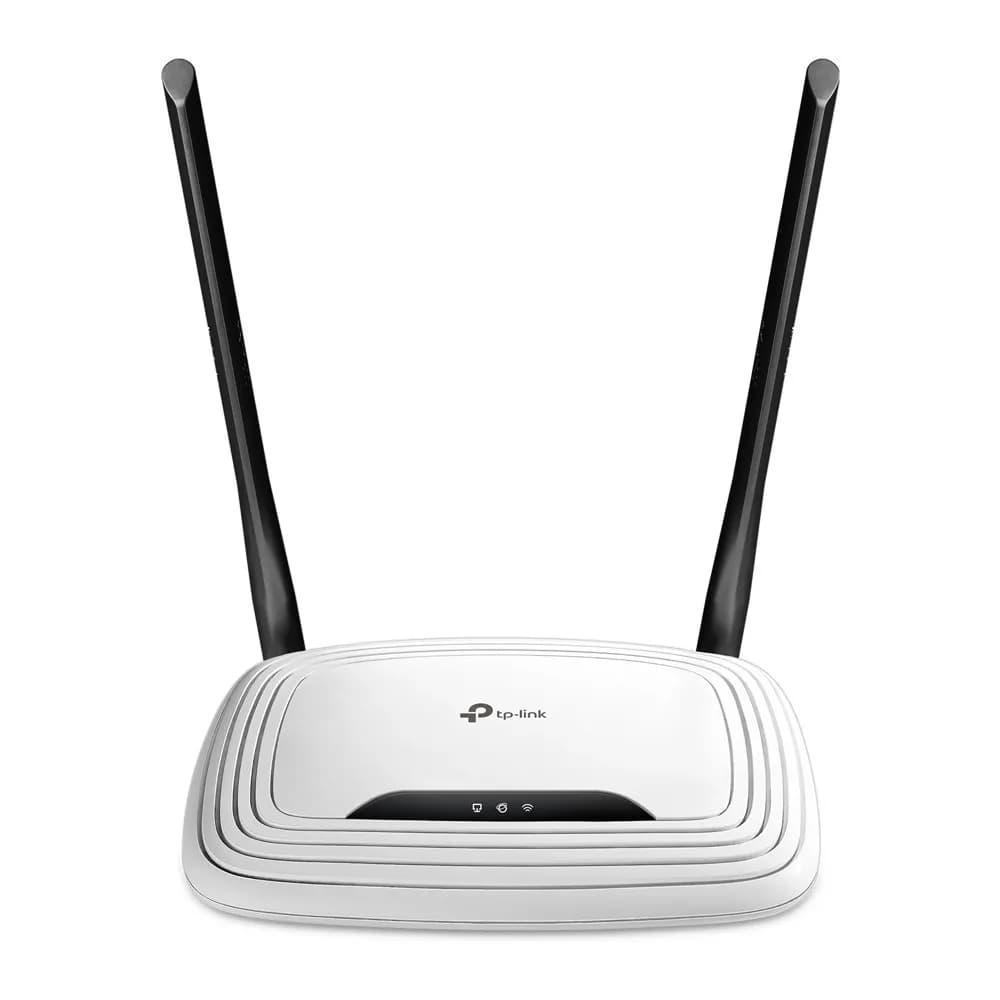
An office network does not run on one router. It runs on several access points, usually on the ceiling, powered over PoE and managed from one controller. WiFi 6 uses the 2.4 and 5 GHz bands and copes with many devices at once thanks to OFDMA. WiFi 6E adds the 6 GHz band, where neighbouring networks rarely reach. In Europe the lower part of that band (5945–6425 MHz) is open, and only WiFi 6E and 7 devices use it. WiFi 7 adds Multi-Link Operation and wider channels. For a new office planned for several years, it is the sensible default. Higher-end WiFi 7 access points often need PoE+ or 802.3bt power and a 2.5GbE switch port to reach full speed.
Managed switches and PoE budget
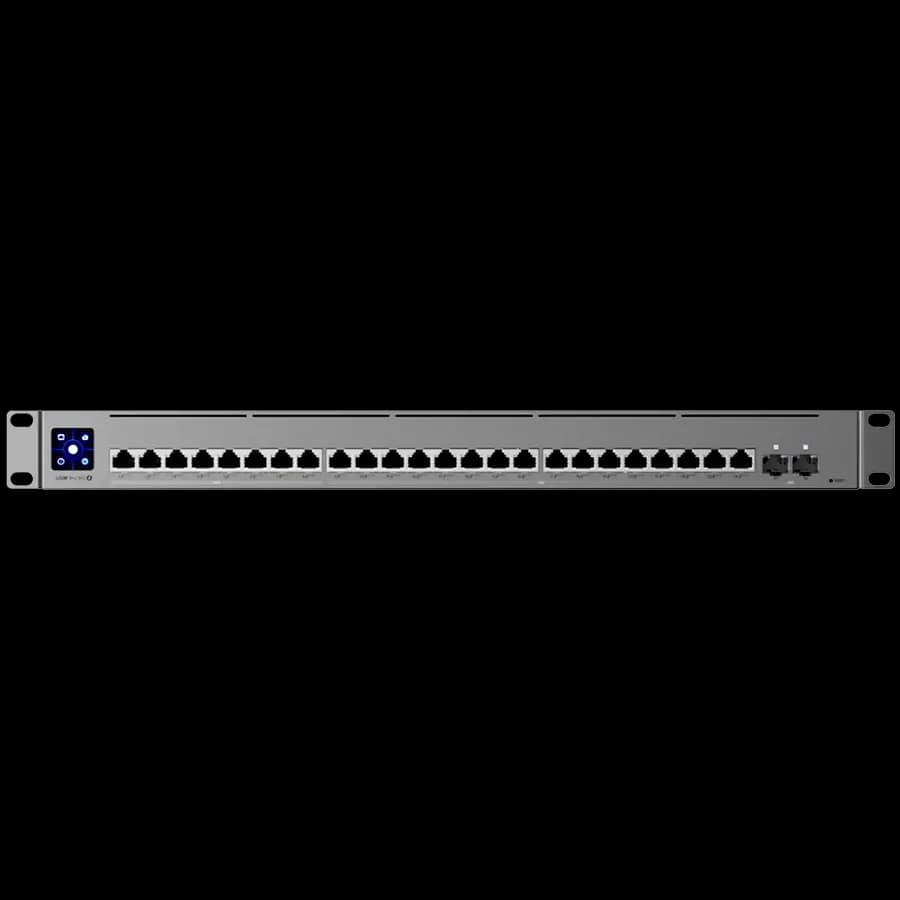
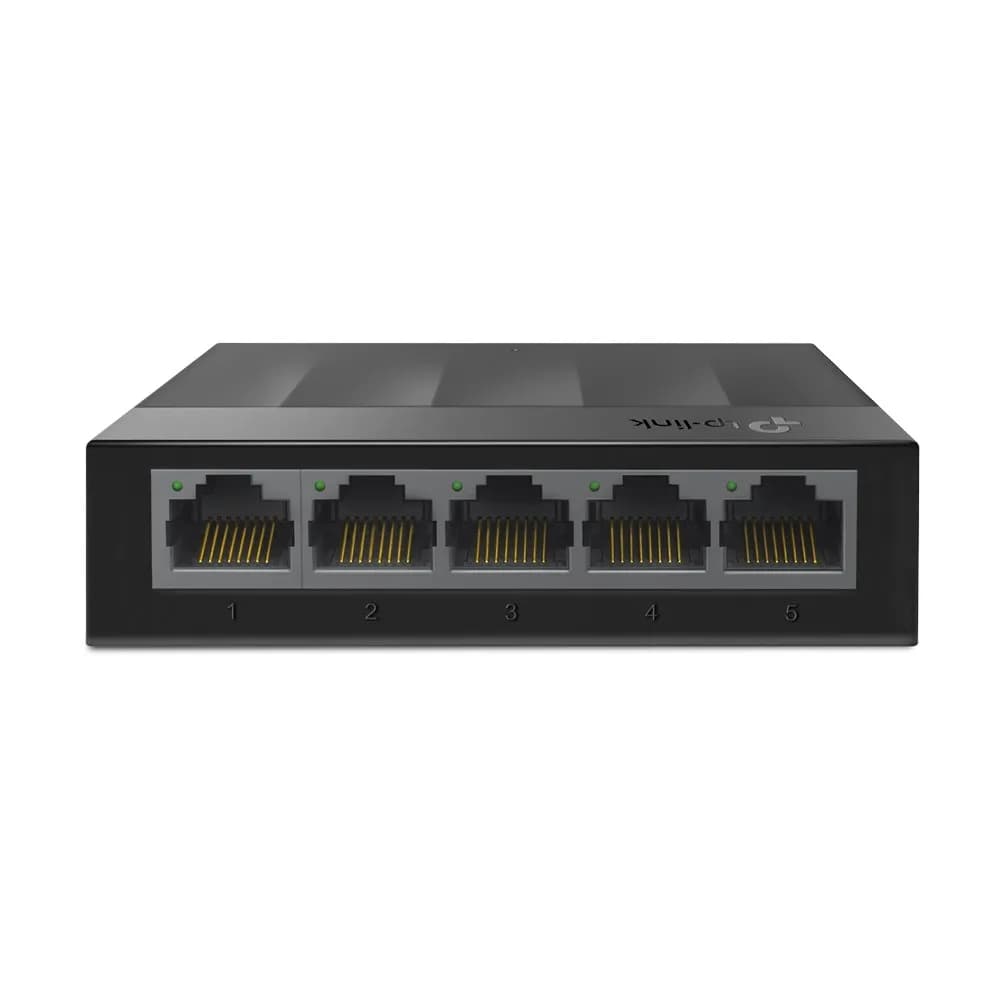
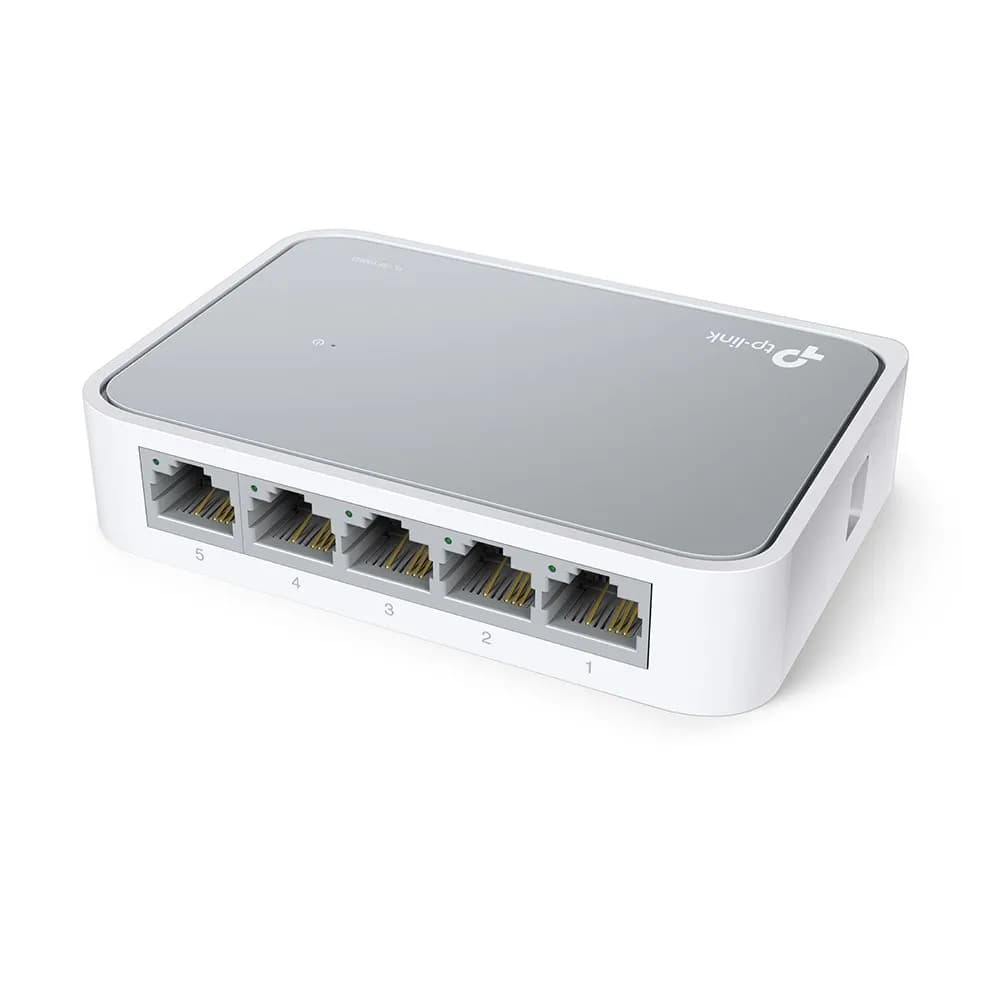
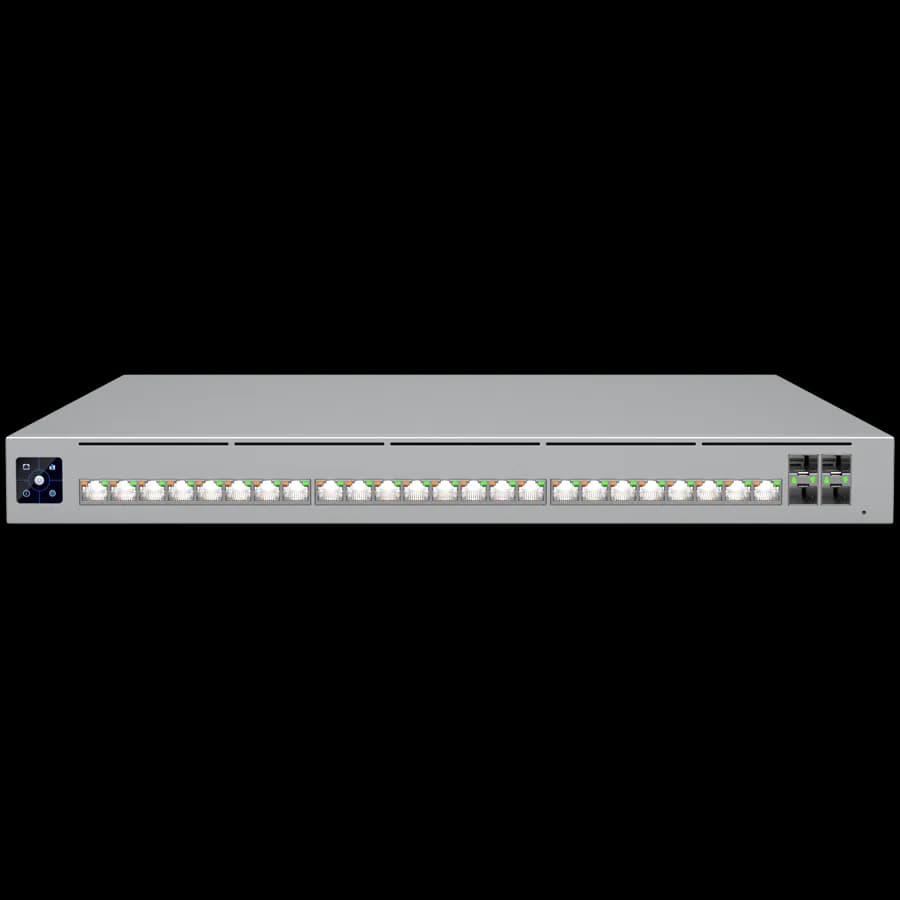
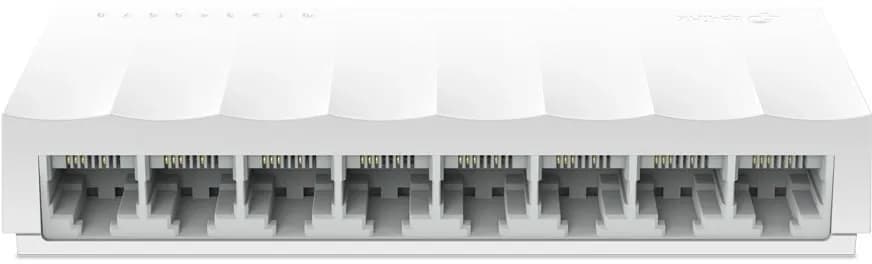
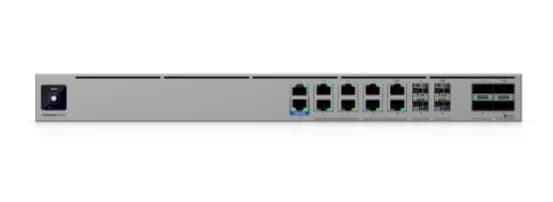
A managed switch splits the network into VLANs for staff, guests, printers and phones. It also handles QoS and port monitoring. For PoE, two numbers matter. One is the standard per port (802.3af up to 15.4 W, 802.3at up to 30 W, 802.3bt up to 60 or 90 W). The other is the switch's total power budget. Add up the access points, cameras and phones and keep spare watts for next year's hires. SFP+ or 10GbE ports connect a NAS or a server.
Firewalls
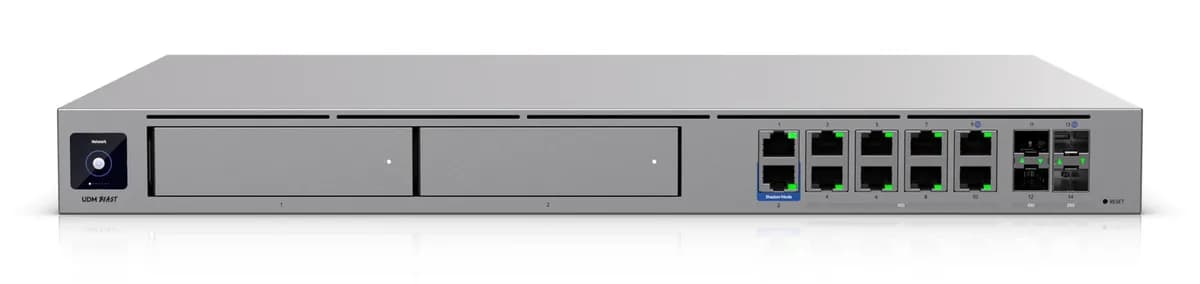
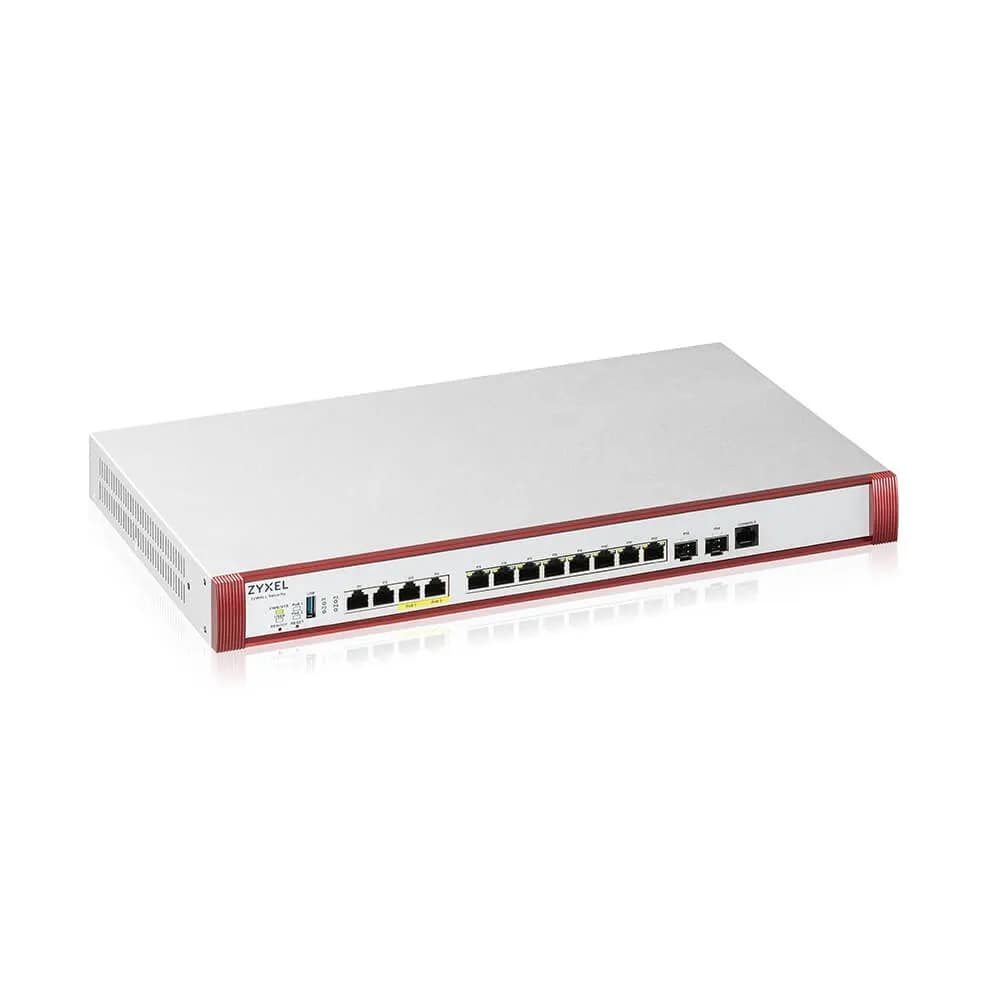
The edge firewall filters traffic, terminates VPN for remote staff and branch offices, and keeps network segments apart. Next-generation models add IPS, web filtering and application control, usually sold as a subscription with its own term. Size the firewall by its throughput with security features switched on. Plain routing figures on the box are several times higher. Typical office choices are Ubiquiti UniFi gateways, Fortinet FortiGate and MikroTik routers.
NAS for business in Poland: files and backup
A NAS shares files across the office and holds backups of laptops and servers. Pick enough drive bays for capacity plus redundancy, then desktop or rackmount. Add 10GbE if several people edit large files. Use drives rated for NAS operation. RAID covers a failed drive. It does nothing against deletion, ransomware or a fire, which is what the 3-2-1 rule is for: three copies of the data, on two different media, one of them off site. Synology and QNAP are the usual picks for small and mid-sized offices.
Servers for business in Poland: tower or rack
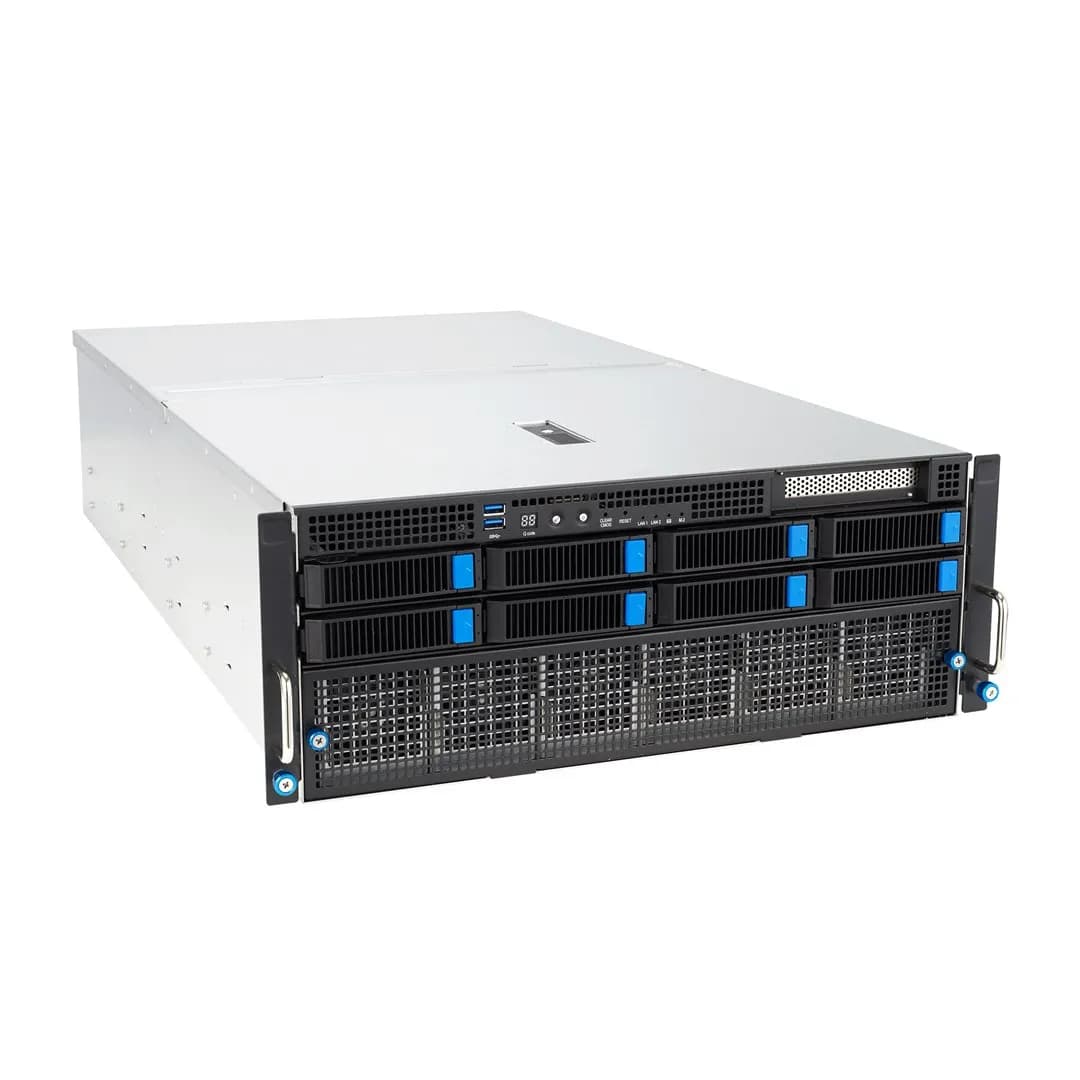
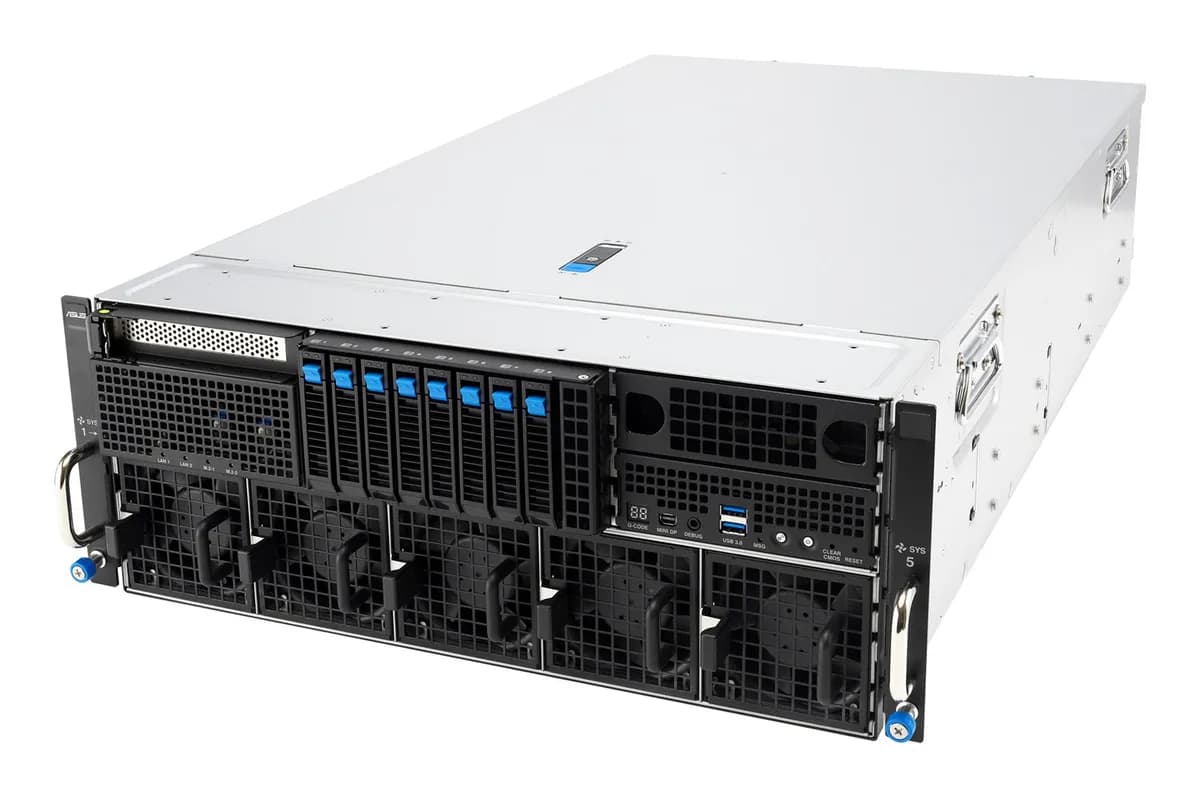
No rack cabinet in the office? Then a tower server. Rack servers take 1U or 2U in a 19-inch cabinet. The 2U models have more drive bays and PCIe slots, and their larger fans run quieter. We quote Dell PowerEdge, HPE ProLiant and Lenovo ThinkSystem. These are usually configured to order (CTO) by the manufacturer, so most servers are priced on request and the quote gives the build time. Budget for licences as well. Under Microsoft's terms as of 2026, Windows Server Standard and Datacenter are licensed per core, with a minimum of 8 cores per processor and 16 per server, plus client access licences (CALs). Check the current terms before you budget. Servers ship in factory configuration. Rack mounting and OS installation are done by your IT team or integrator.
Delivery and invoicing
A typical office order mixes a firewall from one brand, switches from another and a NAS with drives from a third. It is still billed on one Polish VAT invoice. Build-to-order hardware and deliveries to other EU countries and Ukraine get a lead time in the quote. Regular customers can apply for a credit limit. Setting up a new office? See office setup and the office IT setup checklist, then send your plan through the quote request form.